
In this guide
Remote participants say they can hear themselves, or that the room sounds like a cave. The usual response is to buy a better microphone, which rarely helps, because the problem is almost always the room.
Two different complaints
| What people say | What is happening | What actually fixes it |
|---|---|---|
| "I can hear myself" | Audio from the speakers is being picked up by the microphones and sent back | Echo cancellation, correct speaker and microphone placement, gain structure |
| "You sound like you are in a cave" | Reflections inside the room arriving at the microphone after the direct sound | Acoustic treatment on the reflective surfaces |
They have different causes and different fixes, so it is worth establishing which one you have before spending anything.
Why a better microphone does not fix reflections
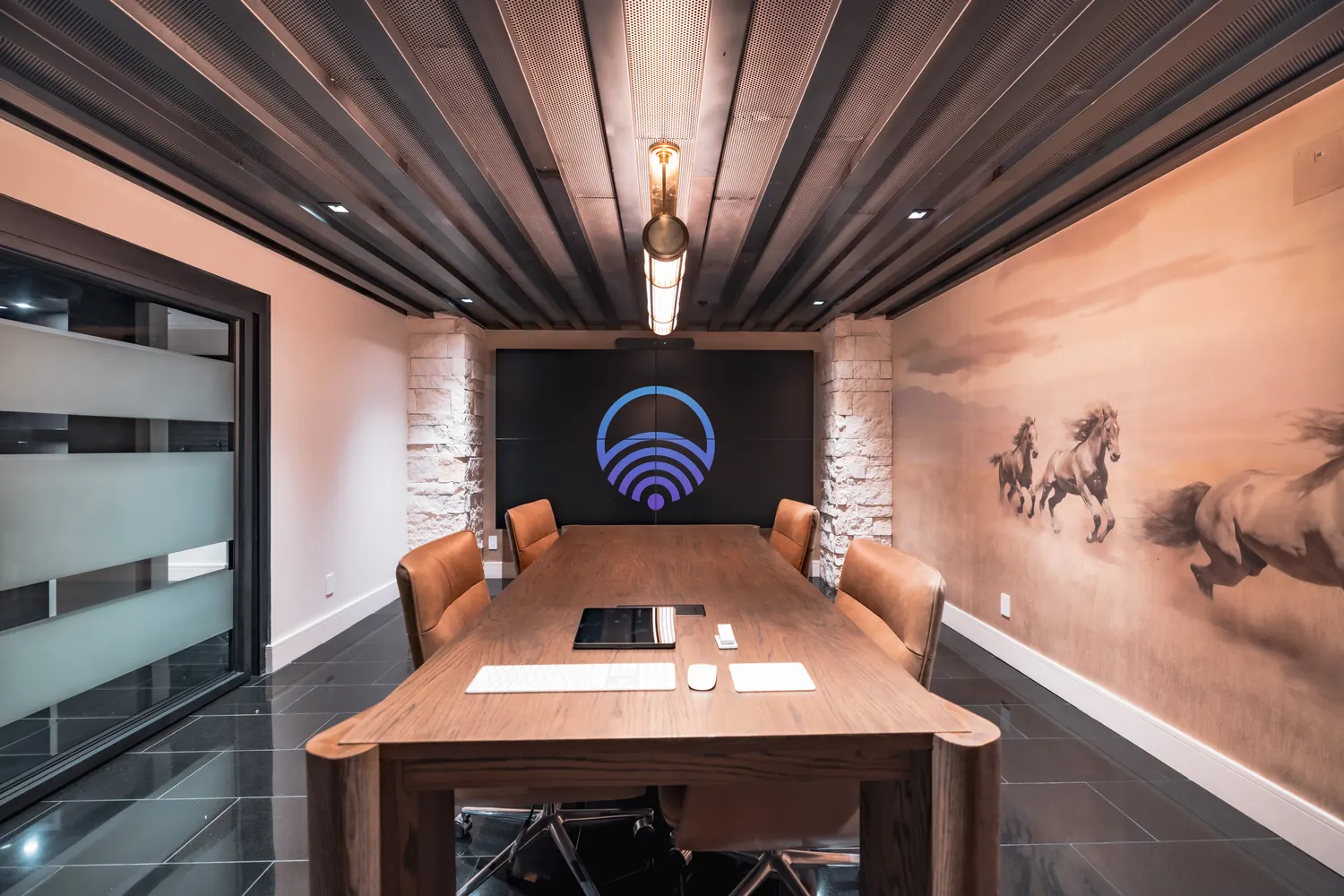
A microphone picks up whatever reaches it. In a reflective room, that is the talker plus the same voice arriving a few milliseconds later off the glass, the table and the ceiling. By the time it reaches the microphone those are one signal, and no amount of quality downstream separates them again.
The reflection and the voice arrive as one signal. Nothing downstream can unpick them.
The surfaces that cause it
- Glass walls. Common in modern offices and almost entirely reflective.
- A large hard table. Reflects straight up into ceiling microphones.
- Bare drywall opposite glass. Parallel hard surfaces are the worst case.
- Hard flooring. Particularly combined with a hard ceiling.
- Full-height windows. Same problem as glass walls, with added glare.
What an assessment looks at
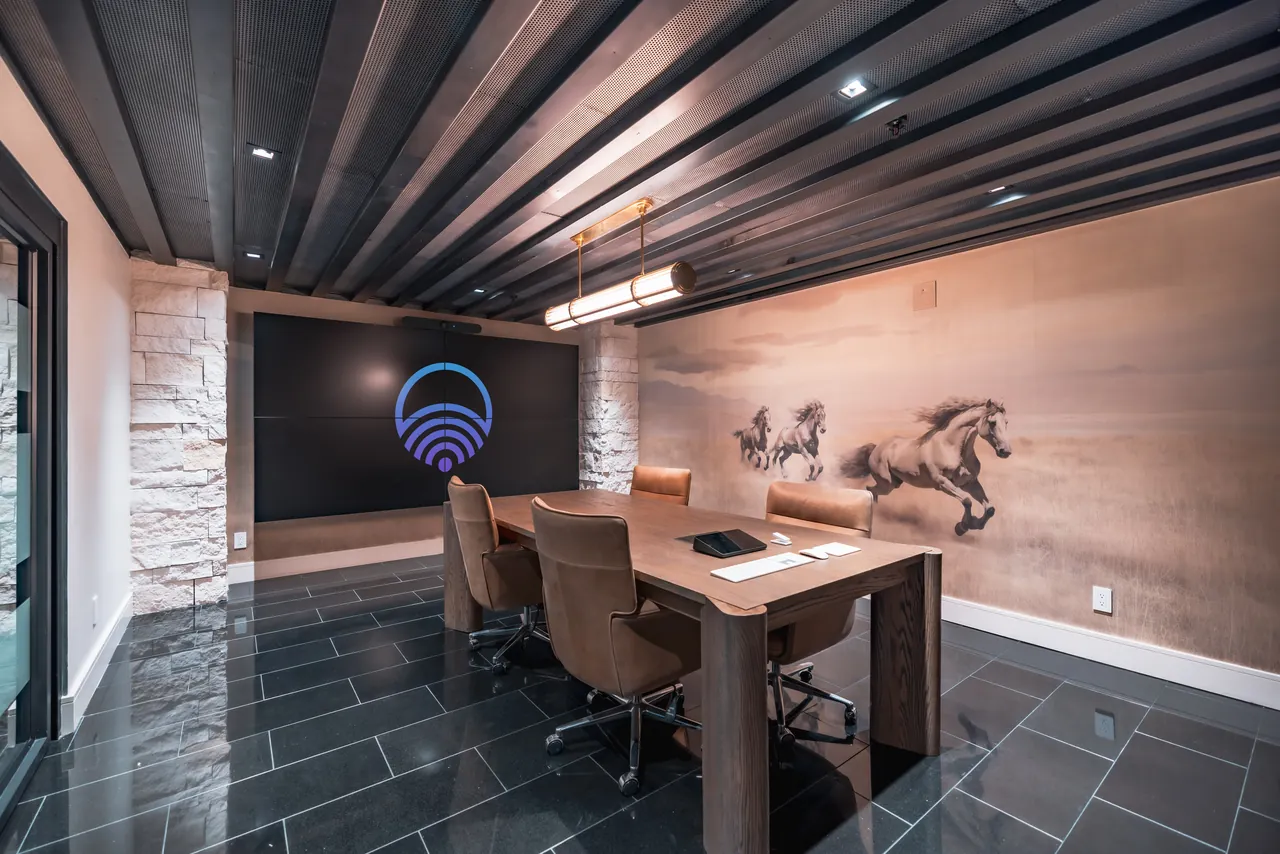
Listen in the room
Clap once. A room that rings audibly will sound that way on every call.
Measure
Reverberation time tells you how much treatment is needed rather than guessing.
Check microphone placement
Distance to each talker, and what hard surface sits directly opposite.
Check the speakers
Where audio is coming from relative to the microphones, and at what level.
Check the processing
Whether echo cancellation is present, configured and not being overwhelmed.
The fixes, in order of effect
Acoustic panels, a fabric-backed wall, carpet or a rug. The highest-impact change in most rooms.
Closer to talkers, away from hard surfaces and away from the speakers.
Directed at listeners rather than straight at the microphones.
Proper echo cancellation, configured for the room rather than left at defaults.
Stand in the empty room and clap. If the sound rings on noticeably, every call from that room carries the same ring, and no equipment purchase will remove it.
Have the room assessed
We will measure the room and tell you whether this is treatment, placement or processing before you buy anything.
Book a room assessment