
In this guide
Camera quotes vary because camera counts are a poor description of the job. What each camera is supposed to accomplish changes the specification, the mounting and the price.
Coverage, identification and deterrence are different goals
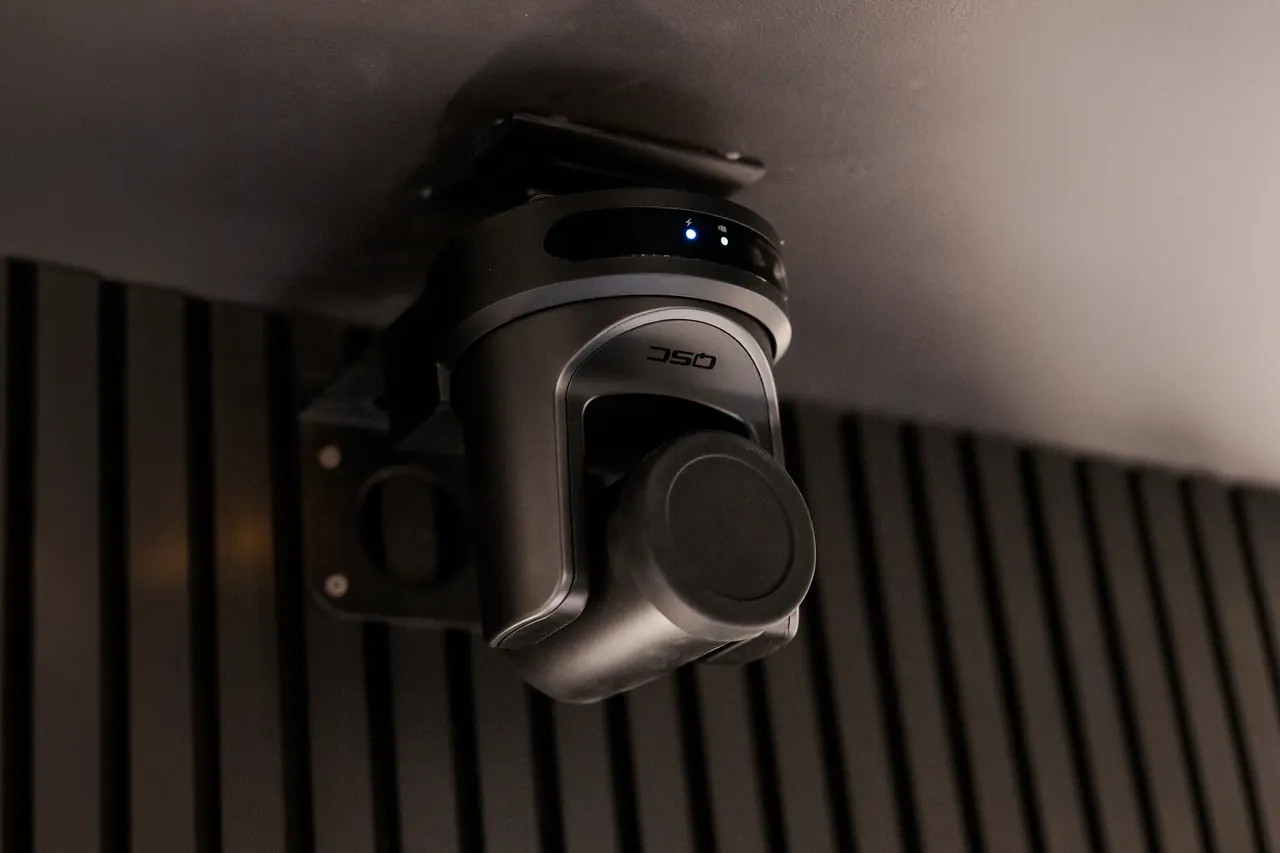
A camera showing that someone crossed the driveway is doing a different job from one that produces a usable image of a face. The second needs a tighter field of view, more careful placement and attention to lighting. One camera rarely does both well.
| Goal | What it needs | Typical placement |
|---|---|---|
| Overview | Wide field of view, general awareness | High, covering an area |
| Identification | Narrow field, controlled lighting, face-height framing | At approach points, lower and tighter |
| Deterrence | Visible presence | Obvious locations, signage |
One camera rarely does overview and identification well. Decide which you need where.
Cabling is most of the labour
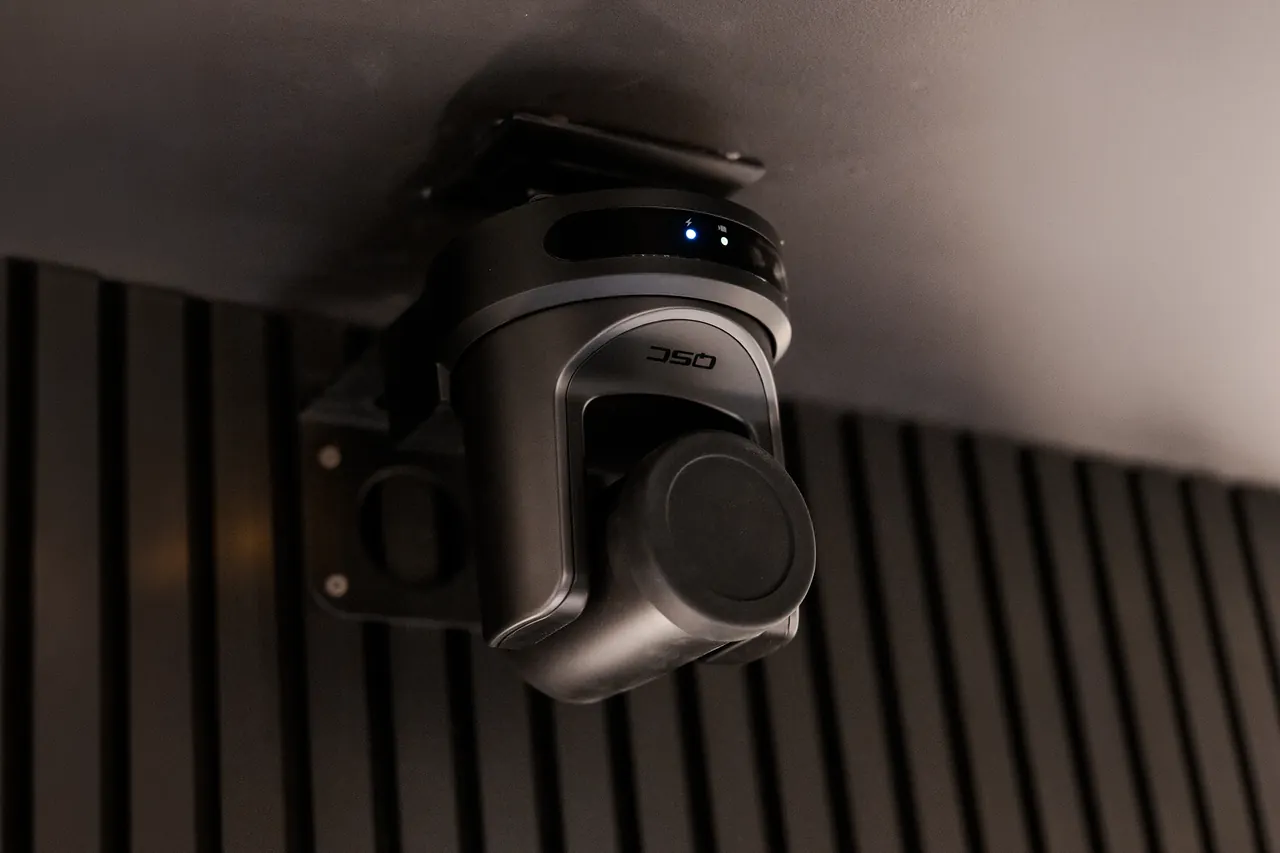
Power over ethernet means one cable per camera carrying both power and data, which is simpler than separate runs, but each cable still has to get from the camera to the recorder. Soffits, masonry, long exterior runs and finished interiors all change that effort substantially.
Recording and retention
Recording continues if the internet drops. Storage is a one-off cost. The recorder is physically present and should be secured.
Off-site by default, subscription-based, and dependent on upload bandwidth, which is worth checking before committing.
Retention length drives storage more than camera count does. Doubling retention roughly doubles the storage requirement, so it is worth deciding what period you actually need rather than defaulting to the maximum.
Lighting determines night performance
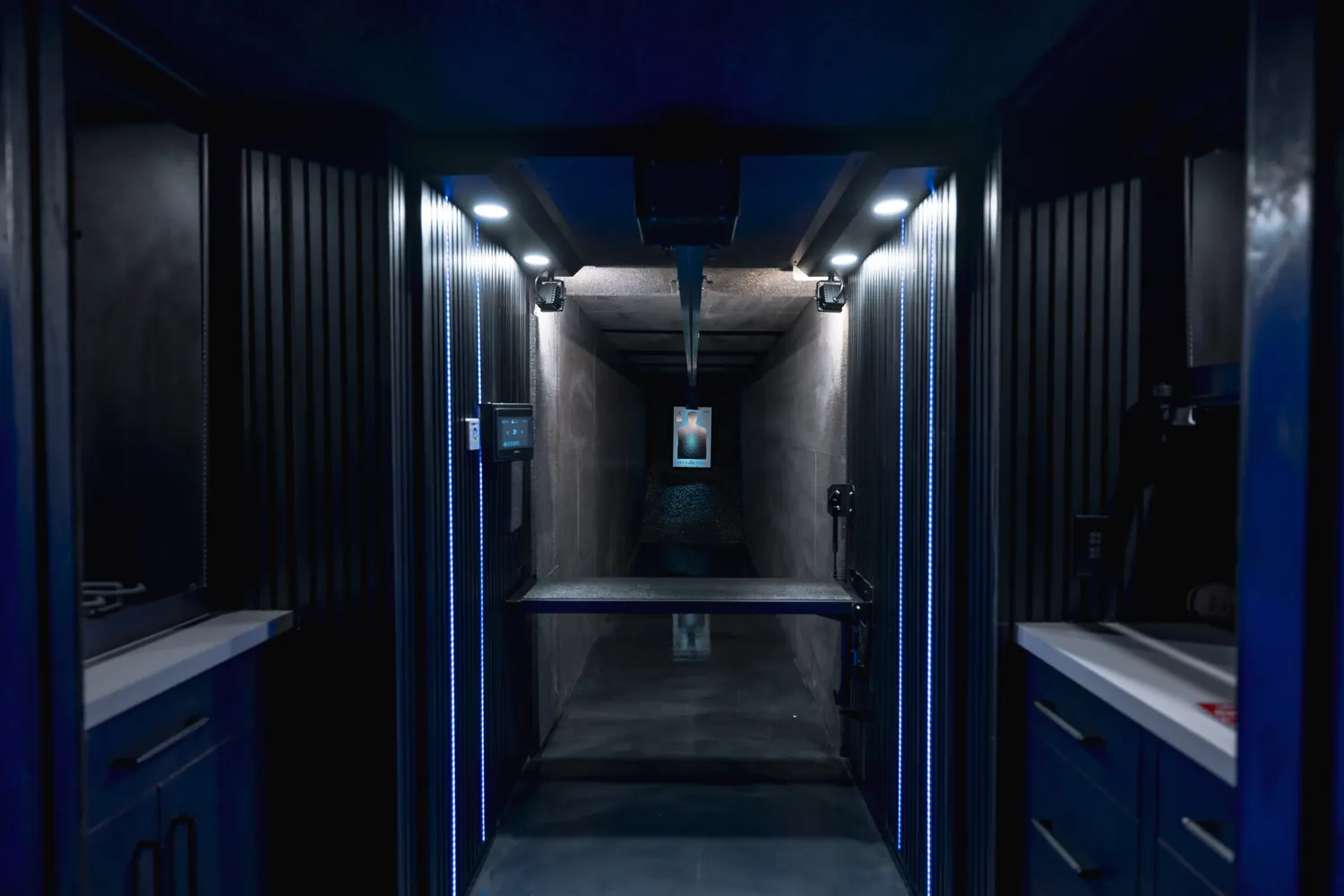
Most disappointment with cameras happens after dark. Infrared has a usable range that is shorter than people expect, and a bright light pointed near a camera can wash out exactly what you wanted to see. Night performance is a placement and lighting question as much as a specification one.
What a complete quote states
- Each camera location and what it is intended to capture
- Field of view and mounting height per camera
- Cable routing and who makes good any finishes
- Recorder, storage capacity and resulting retention period
- How footage is accessed, and by whom
- What happens at night at each location
Cameras record. They do not prevent. A camera system is useful evidence and useful awareness, and it is reasonable to expect it to do those things well without expecting it to do more.
Start from the coverage goals
Tell us what you want to see and we will come back with placements and what each one needs.
Request a camera assessment