
In this guide
This comes up when an integrator stops responding, goes out of business, or the house changes hands. The short answer is usually yes. What determines how straightforward it is has little to do with the equipment.
What actually decides it
| Factor | Makes it straightforward | Makes it difficult |
|---|---|---|
| Documentation | Labelled rack, drawings, port map | Nothing written down |
| Credentials | Admin access available | Locked to the previous dealer |
| Platform | Widely supported, still current | Discontinued or dealer-locked |
| Programming | Source files available | Compiled only, with no source |
| Condition | Equipment within supported life | Past end of support, no parts |
The equipment is rarely the obstacle. Access to it sometimes is.
Credentials are the real constraint
Some control platforms tie programming access to the dealer who installed them. In those cases a new company may need the original dealer to release the account, or the manufacturer to transfer it. This is usually resolvable, occasionally slow, and worth establishing before anything else.
If you are commissioning a system now, this is the question to ask in advance: who holds admin access, and what happens to it if we part ways. The answer should not be "only us."
What discovery involves
Inventory
What is actually installed, including things not on any paperwork.
Trace
Following signal paths where documentation is missing. This is the time-consuming part.
Access
Establishing what can be administered and what is locked.
Condition
What is current, what is end-of-life, what has already failed.
Report
What can be supported as-is, what needs replacing, and what is not supportable.
Being honest about the limits
Some platforms are genuinely no longer supportable: discontinued, no parts, no programming access. In those cases the right advice is replacement of that component rather than support of something that will fail without remedy.
Anyone who agrees to support any system sight unseen is either not looking closely or is planning to discover this later, at your expense.
What to collect before calling anyone
- Any documentation, drawings or manuals from the original installation
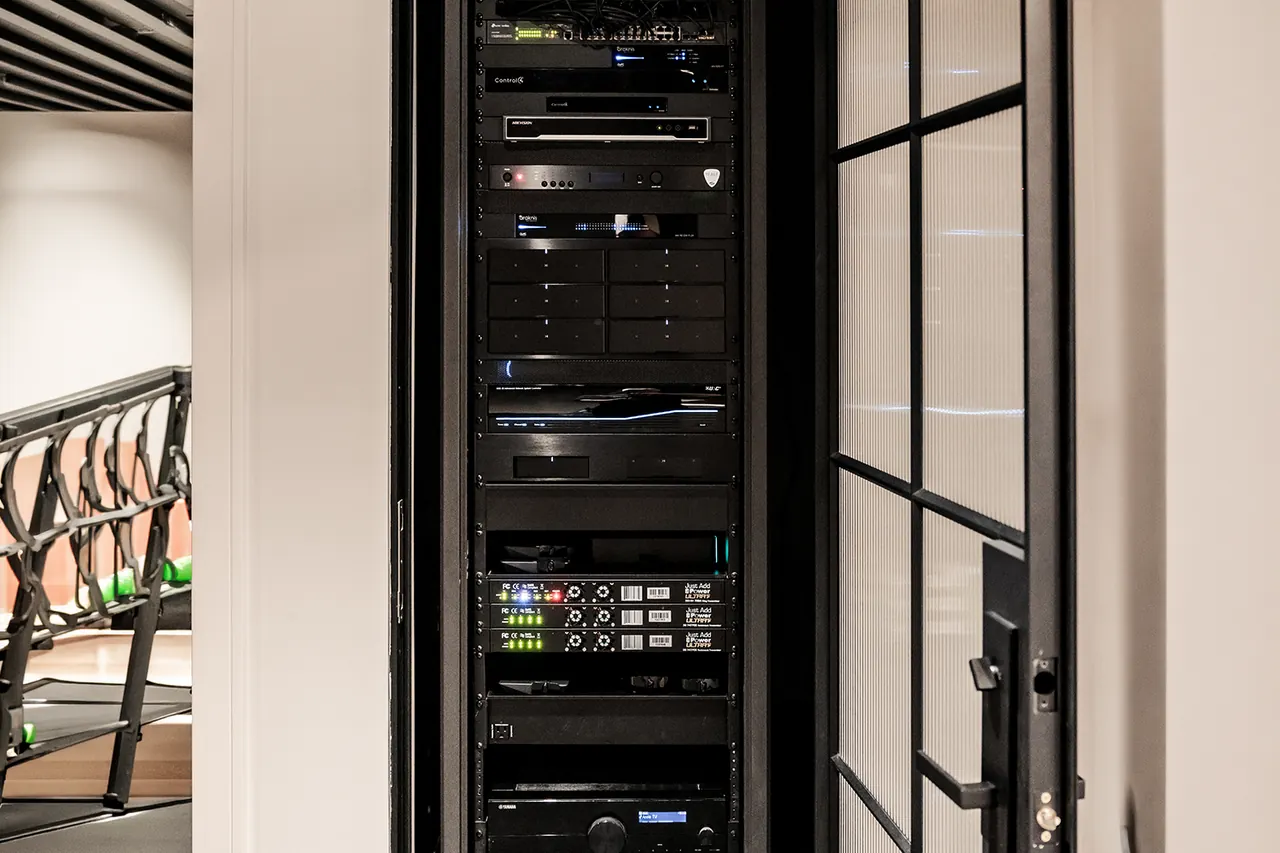
- Photographs of the rack, front and back
- The make and model of the control processor if visible
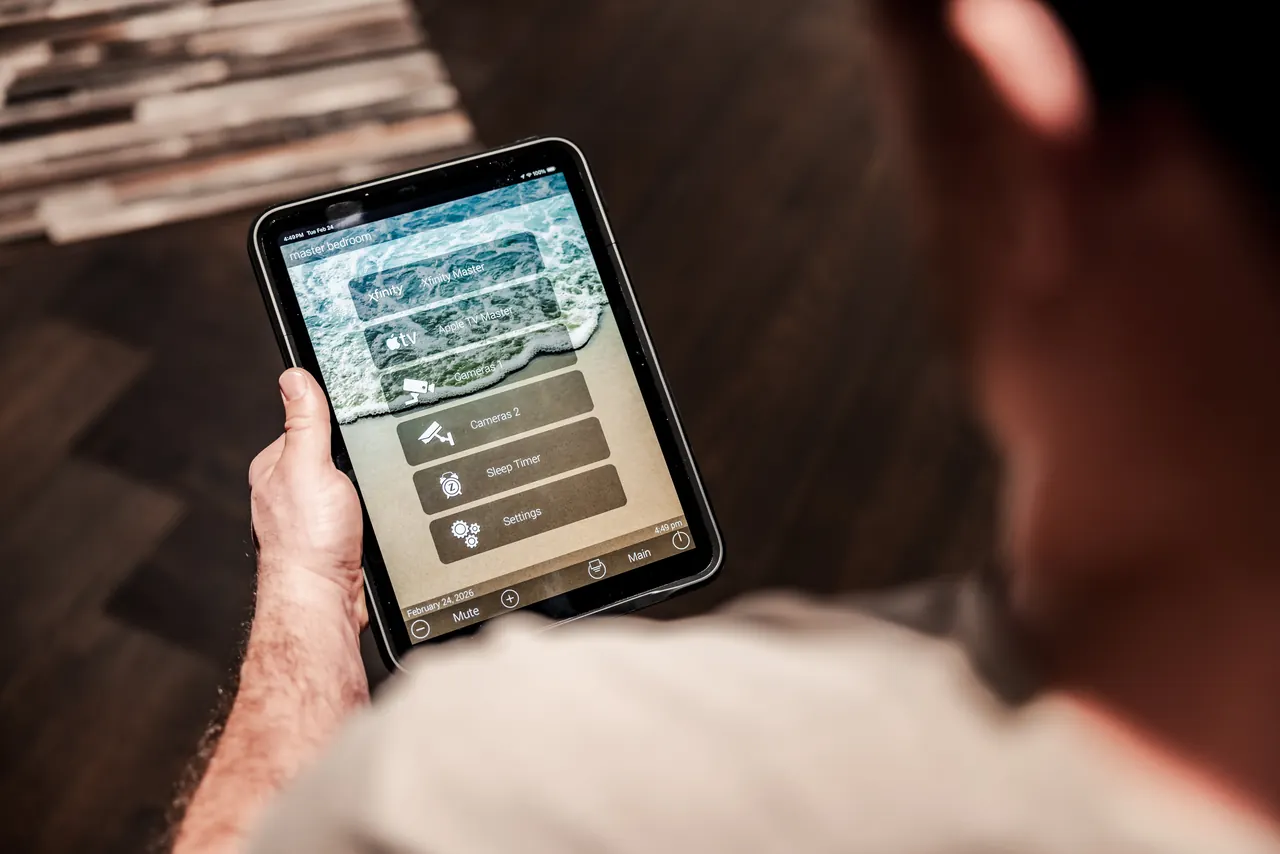
- Any app currently used, and whether you have admin or user access
- A list of what works, what half works and what never worked
- The original installer's details, if known
That last one matters more than it seems. A cooperative handover from the previous company turns a week of tracing into an afternoon.
If you are buying a house with a system in it
Ask for the documentation and the credentials as part of the sale, in the same way you would ask for appliance manuals and warranties. It is far easier to obtain before completion than after, and a system without administrative access is worth considerably less than one with it.
Start with a discovery visit
We will assess what is installed and tell you honestly what can be supported and what cannot.
Book a discovery visit