 Start a project
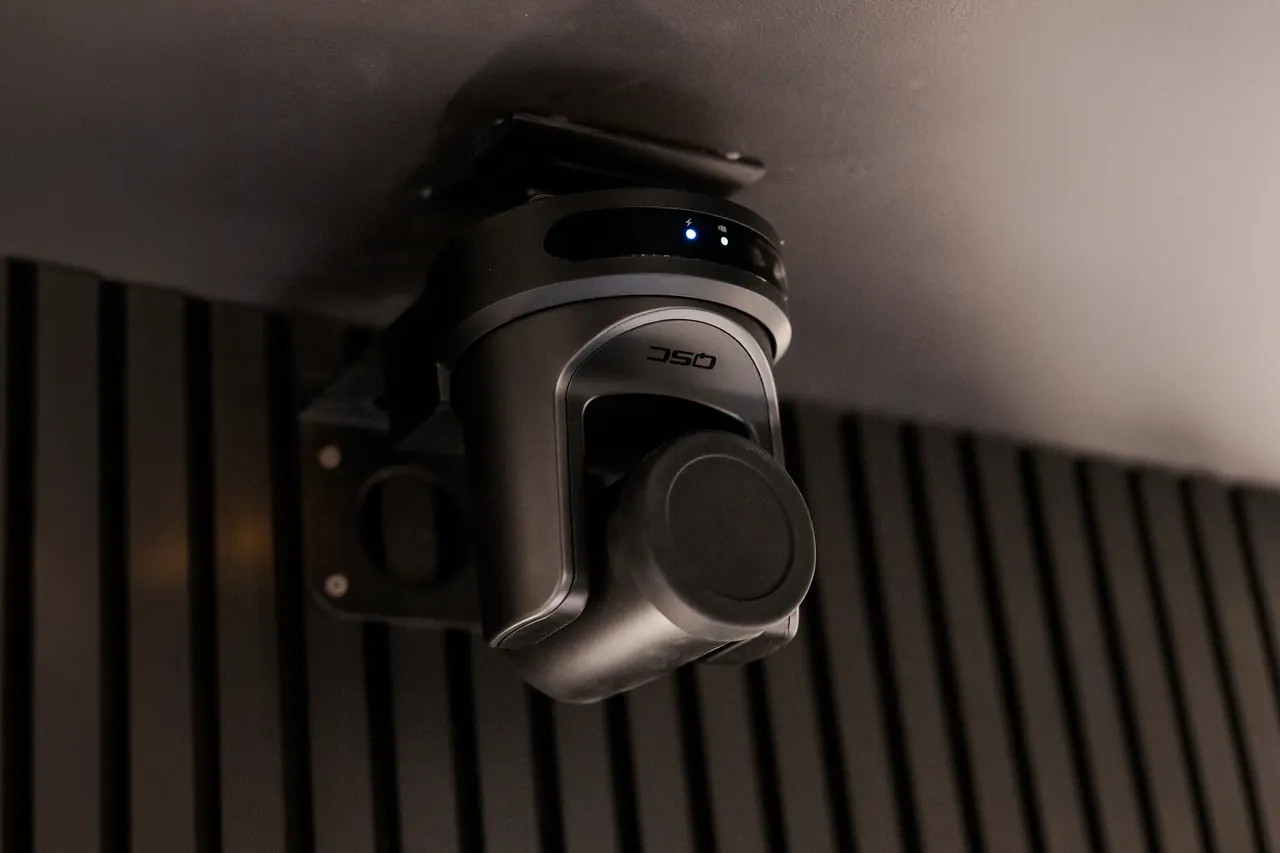
Camera systems,
designed to see.
Camera count is a poor description of a camera system. What each camera is meant to achieve, overview or identification, determines its lens, its mounting height and its position. We design Salt Lake City systems from the goal backwards.
Interactive
The same camera in the same position covers very different ground depending on the lens. Wider sees more and identifies less.
Identification range is indicative. Actual performance depends on sensor, lighting and mounting height.
A camera showing that someone crossed the driveway is doing a different job from one that produces a usable image of a face. The second needs a tighter field of view, a lower mounting height and attention to lighting.
One camera rarely does both well, which is why the useful first question is what you want to be able to see rather than how many cameras you need. The count falls out of the answer.
Power over ethernet means one cable per camera carrying both power and data, which avoids a separate power run at each location.
Retention drives storage more than camera count does. Doubling how long you keep footage roughly doubles the requirement, so it is worth deciding what period you actually need. Retention depends on configuration and recorder capacity rather than being a fixed property of the system.
Who can view footage, from which devices, and whether remote viewing is required are decisions made before go-live rather than after. Where the home has automation, cameras can appear on the same interface as everything else.
Door stations and gate entry can integrate where the equipment supports it. We establish that rather than assuming it.
Mounting and aiming, then checking every view after dark as well as in daylight, because night performance is where most camera systems disappoint. Infrared has a shorter usable range than people expect and a bright light near a camera can wash out exactly what you wanted to see.
Handover covers how to find a recording, how to grant and remove access, and what the system will and will not do.
Camera count and purpose, cable routing and access, recorder and storage for the retention you want, and night performance per position. Those are the drivers for a home.
For business premises the same design thinking applies with different requirements: retention periods that may be set by policy, more positions, and integration with door access. Commercial door entry is covered on the access control page.
Common questions
With an on-site recorder, yes. Recording continues because the recorder is in the building. What stops is viewing from outside the property, which needs the internet by definition. Cloud-only systems stop recording when the connection drops, which is worth knowing before choosing one.
That depends on camera count, resolution, recording mode and recorder capacity rather than being a fixed figure. We size storage to the retention period you want and tell you what that period will actually be under your configuration, rather than quoting a headline number.
Sometimes. Existing cable can often be reused if it is the right type and in good condition, which is worth checking because the cable is usually the expensive part to replace. Existing cameras depend on age and whether they are still supported. A site walk establishes both.
Serving Salt Lake City and the Wasatch Front, with projects in Park City, Provo and St. George. Coverage elsewhere in Utah is confirmed per project. Residential systems · All services
Next step
Tell us the property type, what you want to be able to see, and whether there is an existing system.